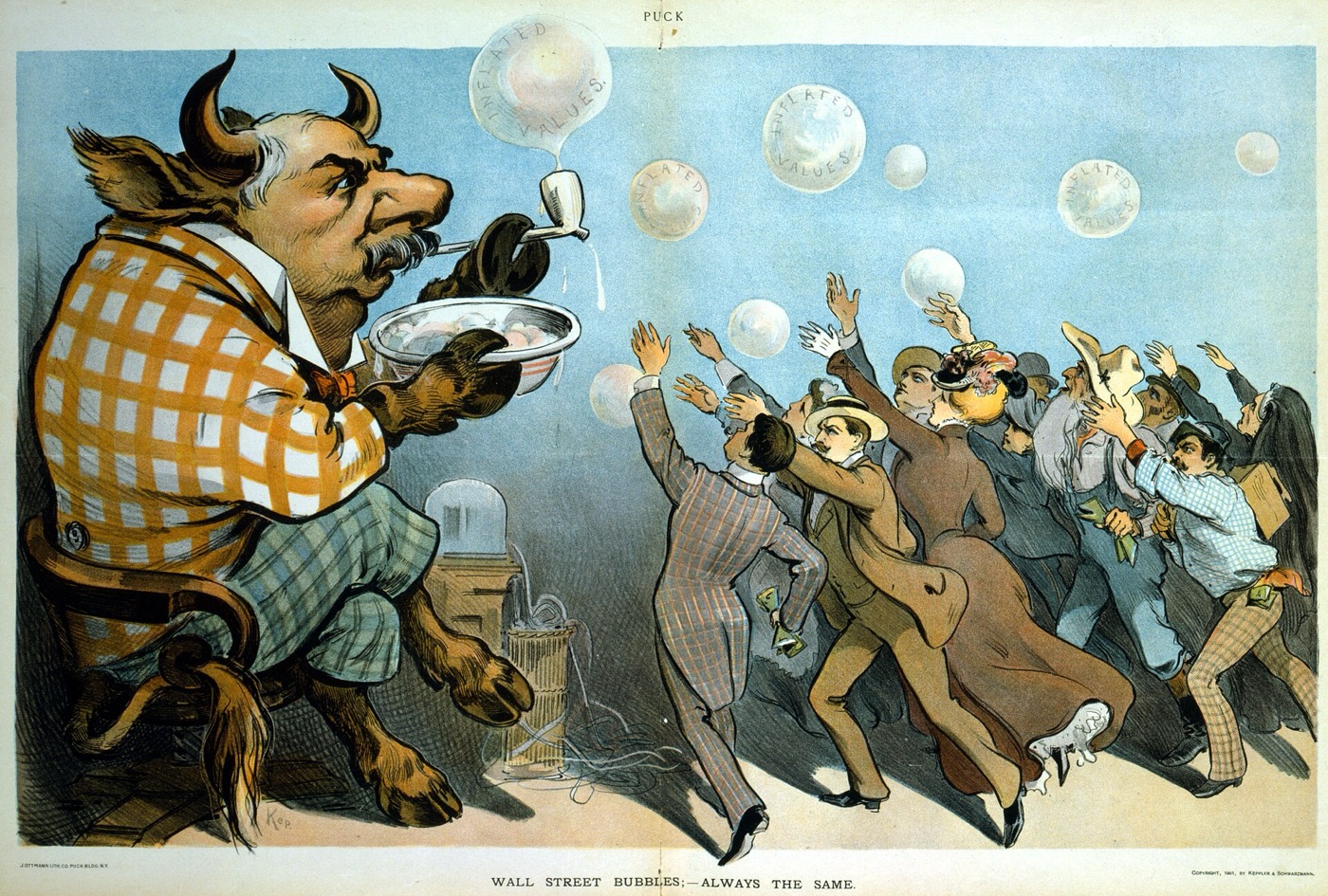
Standard economic theory says markets are efficient. Prices reflect all available information. Any mispricing gets corrected quickly as smart investors pile in. Soros has spent his career proving this wrong — and getting very rich doing so.
Reflexivity theory is his explanation for why markets constantly overshoot and undershoot reality. It is not an academic curiosity. It is a practical trading framework that explains market bubbles, crashes, and every explosive trend you have ever seen on a chart.
The Core Idea: Markets Shape Reality
Standard theory assumes a one-way relationship: economic reality determines prices. Soros argues it is two-way. Prices also shape economic reality.
Here is a concrete example. A company's stock price rises. Rising stock prices allow the company to raise cheap capital. Cheap capital lets them expand aggressively. Expansion improves their earnings. Better earnings justify a higher stock price. The price rise created the very fundamentals that justified it. That is reflexivity.
The loop works in reverse too. Falling prices hurt a company's ability to raise capital. Limited capital constrains growth. Constrained growth hurts earnings. Worse earnings justify an even lower price. Price declines can cause the very deterioration they anticipated.
The Two Functions
Soros identifies two distinct functions at work simultaneously in any market:
The result: markets never reach equilibrium. They are constantly in flux, driven by a feedback loop between imperfect perception and changing reality. This is why bubbles and crashes exist. They are not anomalies — they are an inevitable feature of how markets work.
The Boom-Bust Sequence
Every major market bubble follows the same reflexive pattern. Soros mapped it out:
- An initial trend starts — could be a legitimate fundamental improvement
- The trend attracts attention — positive bias begins forming among participants
- Bias reinforces the trend — participants buy, prices rise, the loop begins
- The trend and bias mutually reinforce — this is the boom phase, the reflexive loop at full strength
- Reality diverges from perception — the narrative keeps prices rising but fundamentals plateau
- The trend falters — some participants become uncertain
- Reversal begins — the reflexive loop runs in reverse, accelerating the crash
- The bust — prices overshoot to the downside just as they overshot to the upside
Soros makes his money at two points in this cycle: entering early in the self-reinforcing boom phase, and exiting or reversing when the loop shows signs of breaking. Identifying which phase you are in is the entire skill.
Why This Matters for Retail Traders
You do not need to trade currency crises to use reflexivity. The same loops play out on every timeframe and every asset. A meme stock rising on social media buzz is reflexive. A crypto running on narrative is reflexive. Even a short-term intraday momentum trade has reflexive elements.
Once you understand that trends persist longer than they should because the trend itself creates reasons to continue, you stop trying to fade every move too early. You let reflexive momentum run — until the structural signs that it is breaking appear. Then you get out fast or flip short.
The Practical Takeaway
Stop asking what something is worth and start asking what the market believes, whether that belief is self-reinforcing, and when it might break. That is thinking like Soros. The price is not the destination — it is information about the narrative currently in control of the market.
Watch reflexivity play out in live markets
ScarX's boom-and-bust rule flags the stocks and markets where a move is feeding on itself, and tells you the day it cracks. Every call shows its record on that asset.
Open ScarX research